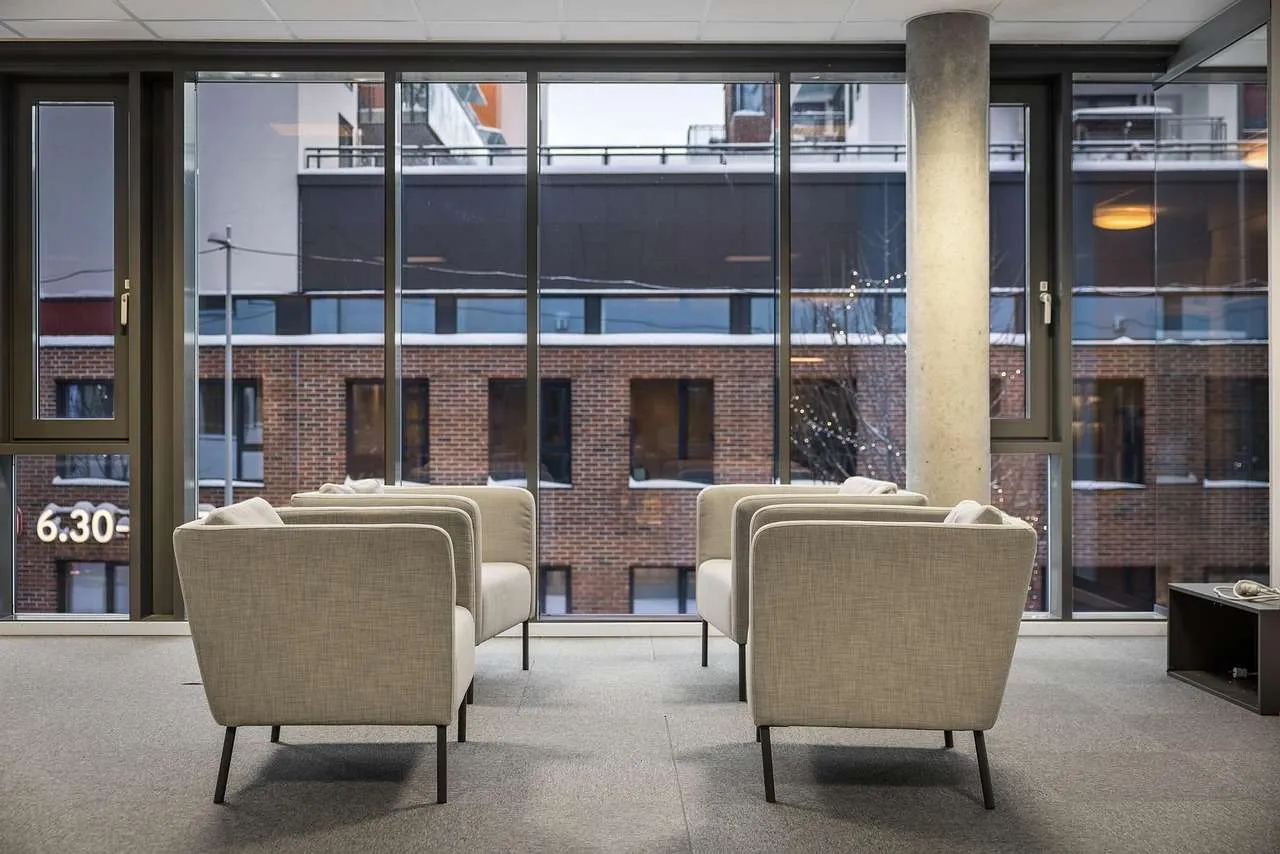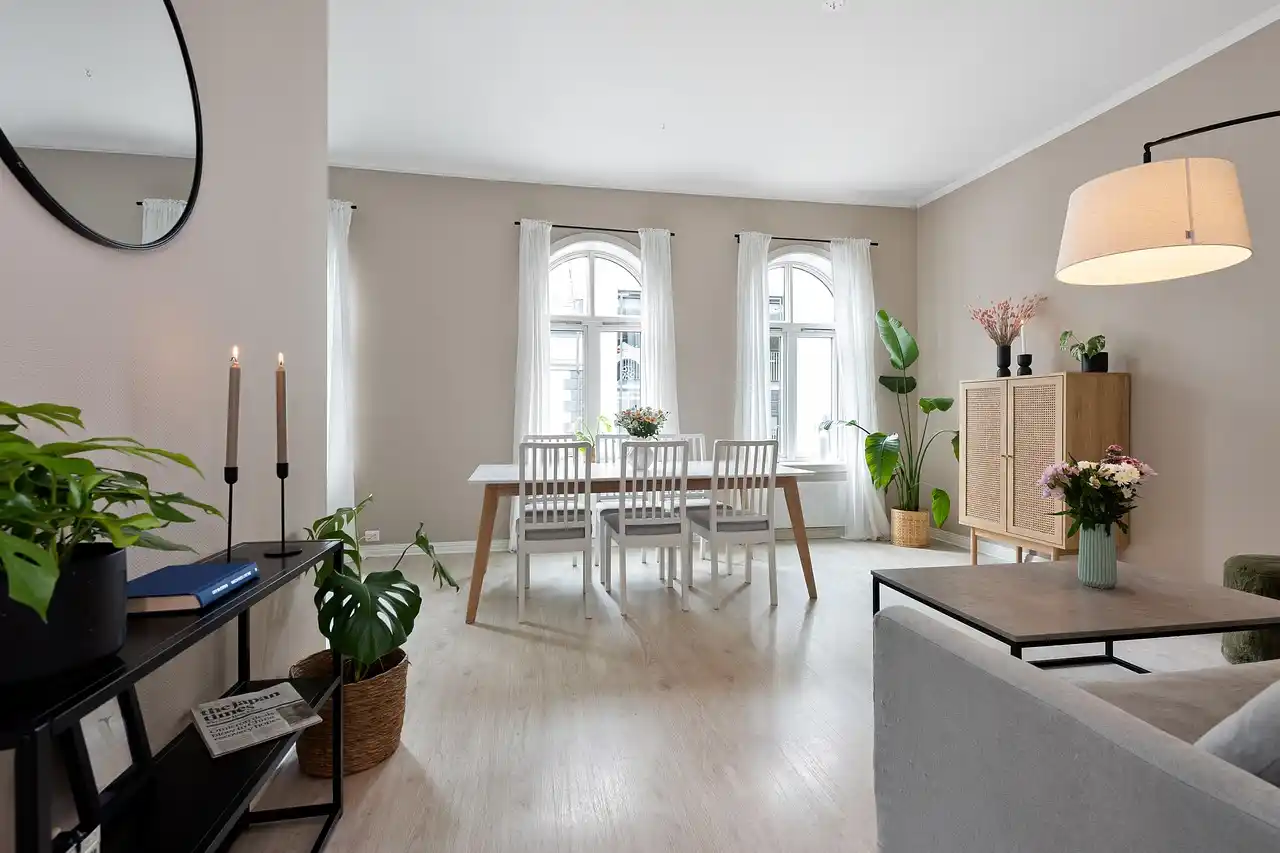
Home window tinting is a practical upgrade that adds comfort, energy efficiency, and privacy to modern homes. By applying a thin film to interior or exterior glass, you can reduce heat gain, block UV rays, and minimize glare without sacrificing exterior visibility.
What is home window tinting?
Window tinting uses a thin film applied to the interior surface of glass. The film can reflect heat, absorb solar energy, or filter light to varying degrees depending on the product chosen. Quality installations are typically backed by manufacturer warranties and professional applicators who ensure a bubble-free finish and long-lasting adhesion.
Benefits of home window tinting
- Energy savings: by reducing solar heat gain, tinting lowers cooling loads in warm climates and can lessen your reliance on air conditioning.
- UV protection: most films block a high percentage of ultraviolet radiation, helping to prevent fading of furnishings, flooring, and artwork.
- Glare reduction: reducing glare makes screens and dashboards easier to read and improves comfort in bright rooms.
- Privacy and security: tinted windows limit visibility from the outside while maintaining interior light levels; some films also add a minor shatter resistance.
- Aesthetic appeal: films come in various shades and reflectivity, allowing you to customize your home's exterior look.
Choosing the right tint for your home
When selecting a tint, consider climate, room orientation, and personal preferences. East and west facing rooms receive the most sun, so higher visible light transmission and lower reflectivity films may be preferred there. In darker rooms, you may prioritize privacy without sacrificing visibility during daylight. If you have large view windows or architectural glass features, a professional can help balance light transmission with heat control.
Types of window tint films
Common film families differ in how they handle heat, light, and durability. Below is a quick overview to help you compare options.
Dyed films
Dyed films use a layer of dye to absorb heat and reduce glare. They are usually the most affordable option but can be prone to fading over time and may show less uniform tint as they age.
Metalized films
Metalized films incorporate small metallic particles that reflect solar energy. They offer excellent heat rejection and durability but can interfere with electronics and have a more pronounced mirror effect in bright sunlight.
Ceramic films
Ceramic films use nonconductive ceramic particles to reject heat while preserving color fidelity and signal reception for devices. They tend to be more expensive but offer strong performance, durability, and a natural look.
Hybrid films
Hybrid films combine dyed and metalized layers to balance cost, heat rejection, and glare control. They avoid some drawbacks of each individual type while delivering solid overall performance.
Installation options and costs
For most homes, professional installation is recommended to ensure even coverage, proper edge sealing, and warranty protection. DIY kits exist, but improper application can lead to bubbling, peeling, or reduced effectiveness. Typical costs vary by film type and window size, but you can expect a ballpark range per square foot:
- Dyed films: moderate cost, generally cheapest among major options
- Ceramic films: higher upfront cost but best performance
- Hybrid and metalized films: mid to high range depending on brand
On a typical home with standard double-pane windows, a full house project may run from a few hundred to several thousand dollars. The return comes through energy savings, extended furniture life, and improved indoor comfort. Always obtain written warranties from the installer and confirm maintenance requirements to preserve film adhesion.
Legal considerations and warranties
Some jurisdictions limit how dark residential films can be on certain windows, particularly front-facing ones. Always check local building codes and homeowner association rules before selecting a shade. Reputable installers provide proper documentation, film certification, and installation warranties that protect against bubbles, peeling, or loss of adhesion for a stated period.
Maintenance and longevity
Cleaning is straightforward with nonabrasive, ammonia-free cleaners and a soft microfiber cloth. Avoid glass cleaners containing harsh solvents that can degrade the film over time. With proper care and professional installation, high-quality films can last 10 to 20 years depending on climate, window exposure, and wear from cleaning.
Comparison of tint types
| Tint Type | UV Protection | Glare Reduction | Privacy | Durability | Typical Cost |
|---|---|---|---|---|---|
| Dyed | Moderate | Good | Low to Moderate | Moderate | Low to Moderate |
| Metalized | High | Excellent | Moderate | High | Moderate to High |
| Ceramic | Very High | Excellent | High | Very High | High |
| Hybrid | High | Very Good | Moderate | High | Moderate |
Summary: Home window tinting is a practical upgrade that enhances comfort, protects interiors, and can reduce energy costs when chosen and installed correctly. By understanding film types, weighing costs, and hiring a qualified installer, homeowners can achieve durable results while meeting local regulations and keeping a clear view to the outside.